Ever wonder what a weekend at your own South End LBI beach home really feels like? You picture sunrise walks, sand on your feet, and easy evenings by the bay. You also want to understand travel, seasons, upkeep, insurance, and rental rules before you commit. This guide walks you through daily life, seasonal rhythms, recreation, and the core ownership details on the south end of Long Beach Island, New Jersey, so you can plan with confidence. Let’s dive in.
A day in the South End
On a summer Saturday, you slip out early and stroll to the ocean. Lifeguards and beach badges define peak season, so you head to a staffed beach access and settle in for an easy swim. By mid-morning, the island hums with families, surfers, and paddleboarders. Lunch might be a walk to Beach Haven for seafood and a quick browse through seasonal shops before an afternoon on the bay where kayaks and small boats explore calm waters.
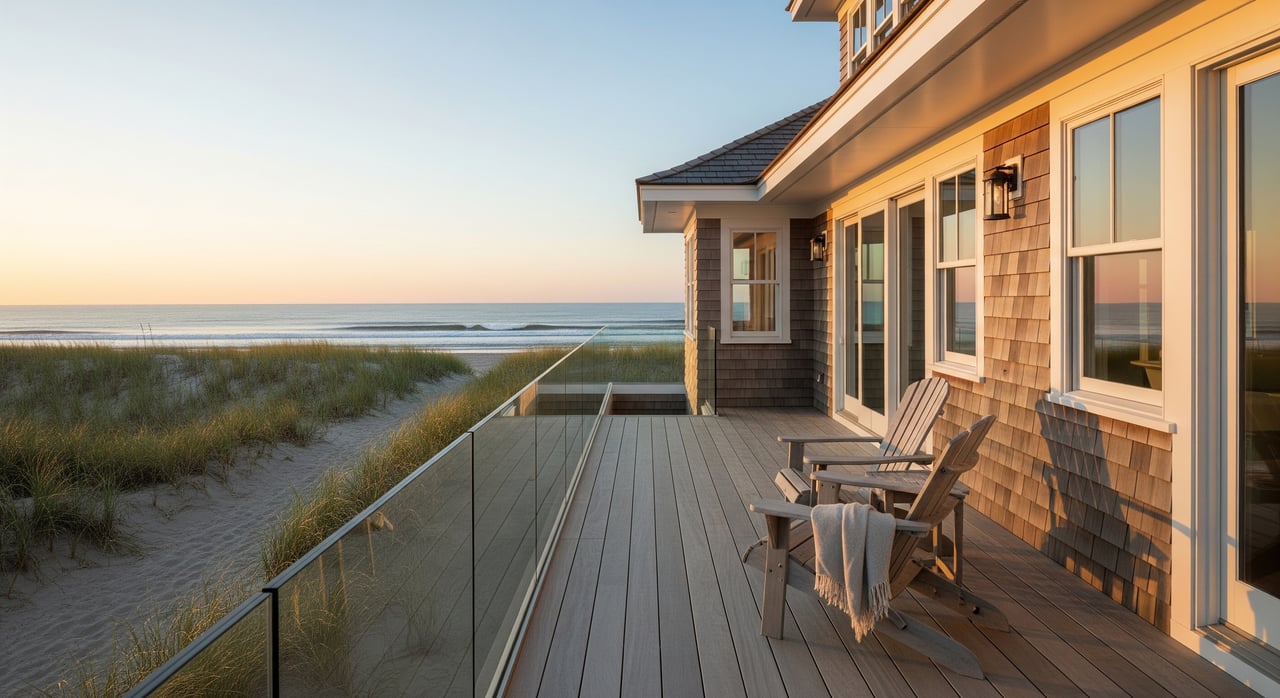
In winter, it’s a different kind of magic. The air is crisp and the island quiets down. You watch a coastal storm move through from a sturdy, elevated deck and notice the rhythm of living by the sea. A few favorite eateries stay open, and familiar faces at year-round spots give the area a close-knit feel. It’s peaceful, simple, and restorative.
Getting there and getting around
The South End of LBI sits on a barrier island separated from the mainland by Barnegat Bay. You reach it by the Route 72 causeway, which can see heavy inbound and outbound traffic on summer weekends and holidays. Plan arrival and departure times with that in mind, especially in peak season.
Once you’re on the island, you mostly walk or bike for short trips. Parking is simpler on off-season weekdays than midsummer afternoons. Beach access points are well marked, and you’ll find both ocean-side and bay-side options to fit your day.
Daily life by season
Summer rhythms
Summer is prime time. From Memorial Day through Labor Day, the population and business activity surge. Beach Haven is the South End’s main commercial hub, with dining, seasonal events, small performance venues, and live music. Many beaches require badges during the day, and lifeguard staffing concentrates in the heart of summer. Expect lively sidewalks, busy marinas, and late sunsets.
Off-season pace
Once fall arrives, the island slows. Dining and retail narrow to select year-round or shoulder-season spots, and hours can vary midweek. You still have access to core services, including grocery options, and urgent care and clinics are available nearby on the mainland. The quieter months highlight the natural setting, with long walks, fishing, and storm-watching among the favorite off-season rituals.
Recreation and highlights
Ocean and beach days
You come for the beach, and the South End delivers. You can swim, surf, and fish along wide Atlantic shores supported by dunes and ongoing coastal-protection work. Projects such as beach nourishment can shape beach width and may bring temporary equipment or access adjustments, especially in off-peak months.
Bay life and boating
Barnegat Bay is your playground on calmer days. Many owners enjoy kayaking, paddleboarding, shore fishing, and boating. If you favor boating, look for homes near marinas or bay access points. Sunsets over the bay are a daily feature and a favorite reason people choose this side of the island.
Dining, nights, and family fun
Expect a mix of seafood spots, casual bars, seasonal pop-ups, and a handful of year-round eateries. In summer, you’ll find entertainment ranging from outdoor concerts to arcades and small performance venues. Local markets and community events dot the calendar in peak months, while winter brings a quieter slate.
Ownership realities you should know
Flood risk and insurance
Flood risk is central when you buy on a barrier island. Many South End properties sit in FEMA Special Flood Hazard Areas. If you use a federally regulated lender and the home lies within one of these areas, flood insurance is often required. You can purchase coverage through the National Flood Insurance Program or private carriers, and wind or hurricane coverage may be separate. After major events such as Superstorm Sandy in 2012, underwriting practices evolved, so it’s wise to request quotes from coastal-experienced agents before you make an offer.
Construction, elevation, and codes
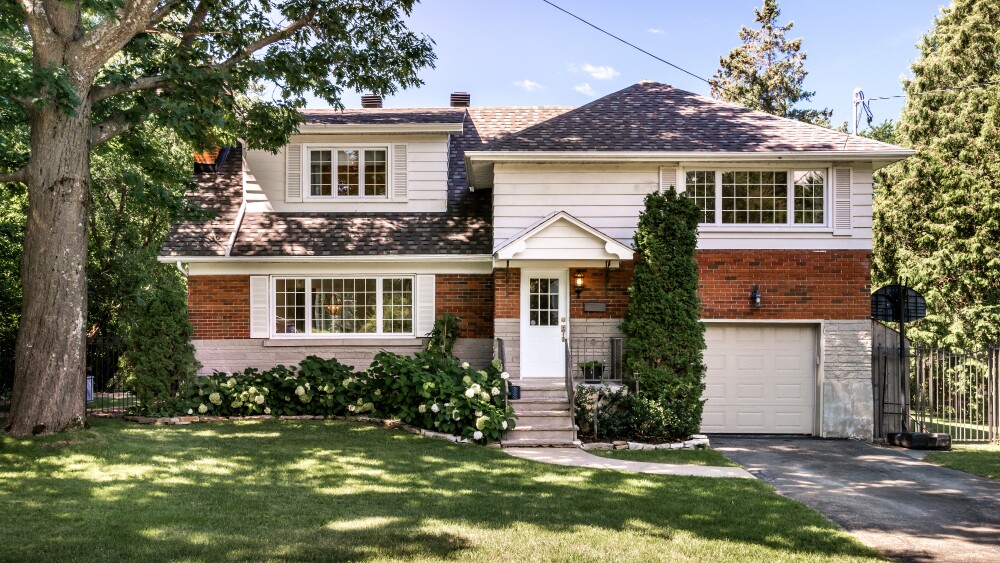
You’ll see a range of homes, from classic cottages to newer builds elevated on pilings. Coastal codes guide elevation and materials, and any new build or major renovation must align with local and federal standards. Ask your agent and the local building department about current elevation and freeboard requirements before you commit to a remodel or addition.
Maintenance and winterization
Salt air ages materials faster. Plan for regular exterior upkeep, including paint, roofing, decking, railings, and HVAC care. If you only use the home seasonally, winterize plumbing and protect exterior systems to avoid freeze damage. Many owners hire local property managers for winterization, cleanings, and vendor coordination.
Short-term rentals and rules
Vacation rentals are common on LBI, especially weekly rentals in summer. Rules vary by municipality and can include registration, local taxes, occupancy limits, and noise policies. Always confirm the specific town’s ordinance and registration steps and review whether there are minimum-stay requirements. A local property manager can outline typical peak-season booking patterns and cleaning schedules.
Utilities and services
Service set-ups differ by property. Some homes connect to municipal sewer, while others use on-site septic systems. Verify service type during inspections and budget for septic maintenance if applicable. Ask for utility history, including electric, gas, and water, and check routine service needs with local vendors.
What it really costs beyond the mortgage
Ownership costs depend on your home’s elevation, location, age, and use. To plan, line up quotes and records before you buy. Here’s what to review:
- Insurance: Flood insurance, homeowners coverage, and wind or hurricane coverage if separate.
- Taxes: Local property taxes vary by municipality; request assessed values and recent tax rates.
- Dues and fees: Some developments or associations have fees and rules.
- Maintenance: Exterior paint or stain, roof care, siding, decks and railings, HVAC servicing, septic inspection or pumping, and dune walkway upkeep if applicable.
- Property management: Cleaning, turnover, bookings, winterization, and emergency calls.
- Seasonal costs: Beach badges, seasonal utilities, and periodic coastal-protection impacts that may affect access or noise at times.
A clear budget will help you compare homes on equal footing and avoid surprises.
Buyer checklist: ask before you buy
Use this quick list during showings and due diligence. A strong answer on each point leads to fewer headaches later.
- What is the property’s FEMA flood zone and current elevation? Has the home had any storm-related repairs or elevation work since 2012?
- What are the typical annual insurance costs, including flood and wind? Can I see sample quotes?
- Is the home on municipal sewer or a private septic system? When was the last inspection or pump-out?
- Are there permits or approvals on file for renovations or additions? Any open permits?
- What are the local short-term rental requirements, taxes, and registration steps? Are there minimum stays?
- How close are the nearest lifeguarded beaches and public access points? Are beach badges required in summer?
- How does parking work at the property and on the street during peak season?
- What routine maintenance has been done on exterior systems, decks, and railings?
- Are there planned or recent beach nourishment or dune projects nearby?
- What are average utility costs in summer vs winter, and are there smart controls for off-season management?
Who to call as you research
- Municipal clerk or building department for rental rules, permits, badges, and local ordinances.
- Insurance agent with coastal experience for flood and wind quotes.
- Property manager for rental projections, cleaning schedules, and winterization plans.
- Local tax assessor for assessed value and recent tax rates.
- Coastal engineers and state or federal resources for beach-nourishment project timelines.
Seasonal calendar snapshot
- Peak summer: Memorial Day through Labor Day has the highest concentration of lifeguards, beach badge checks, events, and visitors.
- Shoulder seasons: Spring and fall bring lighter crowds, more parking, and many businesses open on weekends.
- Winter: Quiet weekdays, select year-round restaurants, and strong storm-watching. Access to essential services remains, and many owners use the time for home projects.
Tips for a smoother first year
- Build a local team: agent, insurance pro, property manager, and reliable vendors.
- Schedule service: HVAC checks, exterior inspections, and a winterization plan by early fall if you will be away.
- Track municipal updates: beach badges, rental registration, and any seasonal shuttle or parking changes.
- Time your travel: Aim for off-peak drive times on Route 72 to avoid weekend congestion.
- Keep flexible: Seasonal businesses adjust hours in off-season; check schedules before you go.
Ready to explore homes on the South End?
Owning on the south end of Long Beach Island blends sun-soaked summers with peaceful off-season moments. When you understand flood zones, insurance, maintenance, and rental rules, you can focus on what matters most: time on the sand and sunsets over Barnegat Bay. If you want local, patient guidance from an island specialist, connect with Shari L. Rinaldi to map your next steps.
FAQs
How crowded is the South End of LBI in summer?
- Summer brings a significant increase in visitors, especially from Memorial Day through Labor Day, which affects traffic, parking, and wait times at restaurants.
Do I need beach badges on South End LBI beaches?
- Many municipalities require beach badges for daytime summer access, and lifeguard staffing is concentrated during peak season; check local rules for the specific beach.
What should South End LBI owners know about flood insurance?
- Many homes lie in FEMA Special Flood Hazard Areas, and if you use a federally regulated lender in those zones, flood insurance is typically required; get quotes early.
Can I rent my South End LBI home weekly in summer?
- Weekly rentals are common, but rules vary by municipality and can include registration, taxes, occupancy limits, and minimum stays; confirm current local ordinances.
How does Route 72 traffic affect weekend travel to LBI?
- The causeway can back up on summer weekends and holidays during peak arrival and departure times, so plan your drive to avoid the busiest hours.