Have you seen a Surf City listing labeled “oceanblock” and wondered what that actually means on Long Beach Island? You are not alone. Many buyers see oceanfront, oceanside, and oceanblock used in different ways and want to know how those terms affect access, views, insurance, and value. In this guide, you will learn the local meaning of oceanblock on LBI, how it compares to oceanfront and oceanside, and how to search and verify listings with confidence. Let’s dive in.
Oceanfront vs. oceanblock vs. oceanside on LBI
Oceanfront: what it means locally
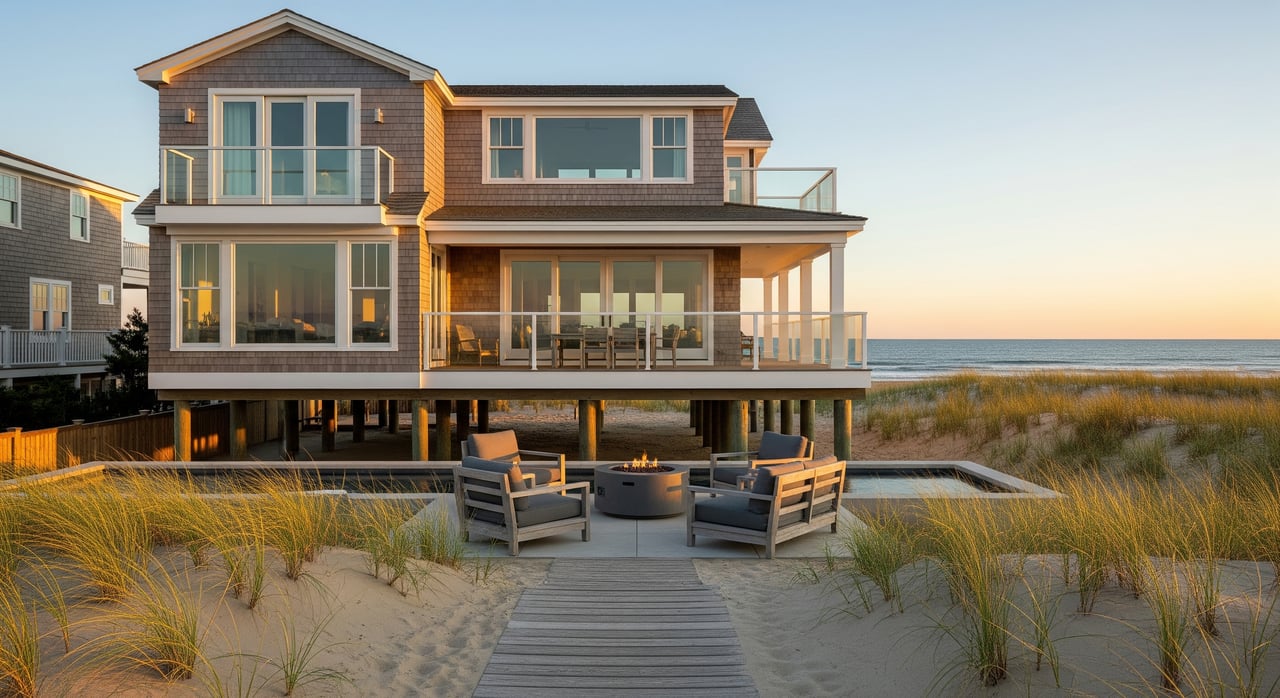
Oceanfront describes a property whose lot directly faces the Atlantic Ocean and the dune system. These homes sit at the eastern edge of the island with immediate beach proximity. Buyers expect direct ocean views and very short private or public dune access paths. Oceanfront also brings the highest exposure to wind, salt, and storm conditions, which influences maintenance and insurance.
Oceanblock: the one-back beach block
Oceanblock means a home is one row or one street inland from the oceanfront row. You are not directly on the beach, but you are very close, usually a short walk of under five minutes depending on the block length and access points. Many oceanblock homes offer partial ocean views from upper floors or rooftop decks, but views depend on neighboring heights and setbacks. Exposure to wind and salt is present yet reduced compared with true oceanfront.
Oceanside: why it can be ambiguous
Oceanside is a less precise term. Some listings use it for any home on the east side of the main road, while others use it for oceanfront or oceanblock with views. Because usage varies, confirm the actual distance to the dune or high tide line and whether the lot touches the beach. When in doubt, rely on the map and parcel lines rather than the label.
A note on local naming
Some agents use “oceanblock” loosely for any home very close to the beach, even two blocks in. Always review the listing map, photos, and remarks, and measure the distance to the beach before you assume proximity or views.
What oceanblock means in Surf City
Surf City’s ocean-facing row sits along the dunes, with the next parallel street to the west forming the oceanblock. In practice, that puts you a short, simple walk to the beach. Actual walk time depends on where public access paths are and how long the block is. Many buyers prefer oceanblock in Surf City for the balance of easy beach access with a bit less exposure to coastal weather.
Surf City also has seasonal parking rules and beach tags in high season. If you expect frequent guests or renters, factor in street parking norms and seasonal demand. Oceanblock homes often have layouts and footprints similar to oceanfront homes, but orientation and driveway access usually face the street rather than the dunes.
Access, views, and daily life
Beach access and walk time
From oceanblock, your route is simple. You typically cross one street or pass alongside the oceanfront row to reach a public walkway. Most walks are under five minutes, but the exact time depends on the block and the path location. If the property is part of a townhouse or association, ask whether a private easement controls access.
Views and rooftop decks
Oceanblock homes can offer partial ocean views, often from the second floor or higher. A rooftop deck increases the chance of a view, but neighboring heights and setbacks matter. Do not assume views from the first floor, especially if nearby homes are tall or newly built.
Wind, sand, and maintenance
You will still feel coastal weather on oceanblock properties, but the intensity is usually lower than true oceanfront. Expect some salt wear on finishes and fixtures over time. Regular upkeep on siding, windows, and decking will keep things in top shape and can reduce long-term costs.
Flood zones, permits, and insurance
Flood zone basics on oceanblock
Oceanblock properties can sit within FEMA Special Flood Hazard Areas. Many will be in AE zones, while oceanfront lots are more likely to be in VE zones. Elevation and flood zone classification affect lending, insurance, and sometimes building options. An elevation certificate is often required by lenders and insurers.
Permits, dunes, and building limits
Both oceanfront and oceanblock are subject to New Jersey coastal rules, local dune management, and building codes. Oceanfront lots face the strictest dune protection and setback requirements. Oceanblock still requires careful review of zoning setbacks and maximum building heights, especially if your plans include adding a rooftop deck or capturing a view.
Insurance expectations
If you finance with a federally backed mortgage and the home sits in a FEMA flood zone, flood insurance is required. Oceanfront homes often carry higher flood and windstorm premiums because of exposure and VE zoning. Oceanblock can be less expensive, but not always, since elevation and specific flood mapping drive premiums. Ask for quotes early so you understand coverage levels, deductibles, and any wind or hurricane endorsements.
Value, rentals, and financing
Typical value tiers on LBI
On LBI, oceanfront usually commands the highest prices due to direct access and views. Oceanblock tends to be the middle tier, reflecting the short walk and potential partial views. Bayfront and bayside values vary with boating access, views, and amenities. Actual price differences change with market cycles, home condition, lot size, and rental potential, so review current comps for Surf City’s North End when you are ready to make a move.
Rental demand and seasonality
Oceanfront earns the strongest weekly rates, but it also comes with higher acquisition and operating costs. Oceanblock is very popular with family renters who want an easy beach walk and may deliver competitive yields at a lower purchase price. Before buying for rental income, check Surf City’s local permitting rules, occupancy guidelines, and any homeowner association limits.
Financing and appraisals
Lenders take a close look at coastal properties. Be ready to provide an elevation certificate, flood zone documentation, and any history of storm-related repairs. Banks can impose stricter requirements on VE-zone oceanfront structures. Oceanblock often sees smoother underwriting, yet each property is unique, so plan for a thorough appraisal review.
How to search for oceanblock listings
Use the map first
Start with a map-based search. Draw a narrow polygon along the easternmost row to capture oceanfront. Then draw a second polygon directly to the west to capture oceanblock. If your search tool allows distance filters, a small range near the shoreline helps separate true oceanfront from the one-back oceanblock.
Smart keywords to try
In the search bar, include keywords like “oceanblock,” “beach block,” “one block to beach,” and “steps to beach.” For oceanfront, use “oceanfront,” “beachfront,” and “direct ocean views.” Remember that “oceanside” can be vague, so cross-check those results on the map.
Confirm the details
When results look promising, open the parcel map and satellite view. Count the rows between the listing and the dunes, confirm the location of public access paths, and check remarks for easements. If anything is unclear, ask the listing agent to confirm whether the lot touches the dunes or sits one lot back, and request an elevation certificate.
Buyer due diligence checklist
Use this list to verify key items before you write an offer:
- Exact distance to the mean high tide or dune line, and whether the parcel touches the beach.
- FEMA flood zone classification and any Letter of Map Amendment on file.
- A current elevation certificate for lending and insurance.
- Preliminary insurance quotes for flood and wind coverage, including deductibles.
- Surf City ordinances on beach access, seasonal parking, and short-term rentals.
- Dune and beach management details, including who maintains walkways and pays for restoration after storms.
- Easements and rights-of-way affecting beach access.
- Any local history of overwash, elevation orders, or FEMA buyouts near the property.
- Utility status, including public sewer versus septic, and how that affects renovation plans.
- Zoning setbacks and maximum building heights that could impact future views.
Quick scenarios: is oceanblock right for you?
- You want an easy beach walk without top-tier oceanfront pricing. Oceanblock usually fits this goal well.
- You value partial views from a rooftop deck but can live without a full panoramic vista. Oceanblock is a strong candidate.
- You plan to rent in peak season and target families who want a quick beach day setup. Oceanblock can draw steady demand.
- You prefer milder maintenance and insurance exposure compared with oceanfront. Oceanblock can reduce both, though you should still budget for coastal conditions.
If you love the sound of the surf but want a practical balance of access, cost, and upkeep, oceanblock in Surf City is worth a close look. With a careful map review, flood and insurance checks, and the right search strategy, you can find a home that fits your lifestyle and goals.
Ready to see what is possible on the Surf City oceanblock or anywhere on Long Beach Island? Reach out to Shari L. Rinald for a friendly, detailed consultation tailored to your plans.
FAQs
What does “oceanblock” mean on LBI in plain terms?
- It means the home is one row or one street inland from oceanfront, usually a short walk to the beach and sometimes offering partial views from upper levels.
How long is the beach walk from an oceanblock home in Surf City?
- Most walks are under five minutes, but confirm by checking the block length, the nearest public access path, and the exact lot position.
Will I have ocean views from an oceanblock property?
- Possibly from the second floor or a rooftop deck, depending on neighboring heights, setbacks, and your home’s elevation.
Is flood insurance cheaper on oceanblock than oceanfront in Surf City?
- Often it is, but not always, since elevation and FEMA flood zone drive premiums. Ask for quotes early in your process.
What is the difference between “oceanside” and “oceanblock” on LBI?
- Oceanside is a broad term for the east side of the island and can be ambiguous. Oceanblock is specific to the one-back row from the oceanfront.
How can I verify a listing that claims “oceanblock” status?
- Use the parcel map and satellite view to count rows to the dunes, confirm public access points, and request an elevation certificate and clarification from the listing agent.
Are oceanblock homes good for weekly rentals in Surf City?
- Yes, many renters prefer a short walk to the beach. Oceanblock can deliver competitive yields at a lower purchase cost compared with oceanfront.