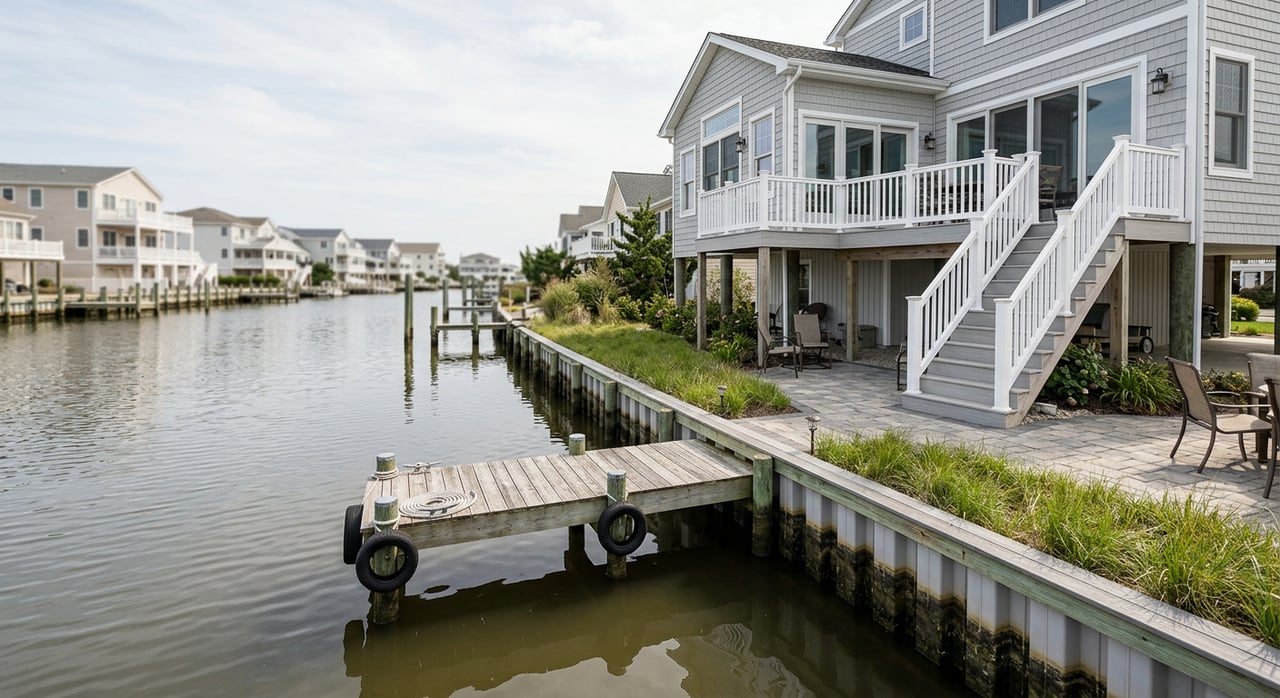
If you love the idea of keeping your boat at home and cruising to the bay in minutes, lagoonfront living in Beach Haven West might be exactly what you’re after. It is a unique lifestyle with big rewards and a few important responsibilities. In this guide, you’ll learn how these man‑made canals work, what to expect for boating and maintenance, and the due diligence that protects your purchase. Let’s dive in.
What lagoonfront living means here
The community and its lagoons
Beach Haven West in Stafford Township is a large planned lagoon neighborhood with miles of man‑made waterways that connect to Manahawkin and Barnegat Bay. The Beach Haven West Civic Association notes it is one of New Jersey’s largest lagoon systems, which means the canals are infrastructure that require ongoing attention. You get easy access to the water and a friendly, boat‑forward culture. You also share in a setting where maintenance, dredging, and shoreline care are part of long‑term stewardship.
How the canals connect to the bay
The lagoons tie into Manahawkin Bay, giving you direct access from your dock for small to medium recreational boats. Local planning materials describe quick bay connections and a short ride to Long Beach Island by water, with Route 72 as the main road link. Because the back bays are shallow estuaries, timing your outings around tides can matter for draft and clearance. Expect navigation that rewards local knowledge and conservative speeds in canals and marked channels.
Boating realities to plan for
Shallow water and boat types
Barnegat and Manahawkin Bays are relatively shallow estuarine waters, so draft and tides matter for performance and access. Regional references on the bay’s shallow dynamics support what you will experience day to day. Shallow‑draft center consoles, bay boats, jet drive craft, and smaller pontoons are commonly favored. Deep‑keel sailboats and large deep‑draft cruisers can face limits unless you rely on deeper marinas or carefully maintained channels.
No‑wake etiquette and shoreline care
Canal banks and marsh edges are sensitive to wake. Stafford Township’s resilience planning recommends education and enforcement around speed to reduce erosion in lagoon neighborhoods. Keeping a no‑wake mindset protects bulkheads and shorelines and helps your neighbors, especially in tighter canals.
Dredging and navigation expectations
Stafford completed a lagoon study and has folded it into the Resilient Stafford Action Plan, which identifies Beach Haven West as a priority back‑bay neighborhood for resilience work. The plan supports projects like beneficial reuse of dredged material for marsh restoration at Popular Point. Local coverage notes a Popular Point restoration effort using lagoon dredge material and explains that in‑water work is often limited to specific seasons to protect wildlife. Expect municipal dredging on multi‑year timelines and occasional short‑term disruptions during active work.
Bulkheads, docks, and permits
Materials, lifespans, and budgets
Along these canals you will see timber, vinyl, steel, concrete, and riprap protecting the shoreline, each with different lifespans and costs. Typical planning ranges cited by contractor cost guides: timber often 10 to 25 years, vinyl and composites commonly 30 to 50 years, and steel or concrete 25 to 50 plus years when properly protected. Replacement costs vary widely by site and are usually priced per linear foot, so treat any range as a starting point and get written quotes. For context on planning ranges, review seawall cost and lifespan guidance from national contractor resources.
Who permits what, and timing windows
Shoreline work, docks, and dredging in tidal waters typically require New Jersey Department of Environmental Protection review and permits. Start with NJDEP’s dredging and waterfront development permitting to understand pathways and constraints. Depending on the project, you may also need federal approvals. Timing matters, because in‑water construction windows are often limited by fisheries and wildlife protections, as reflected in local dredging coverage for Beach Haven West’s canals.
Inspections that save you money
Before you buy, have a licensed marine contractor or structural engineer inspect the bulkhead and dock. Ask them to check tiebacks, the bulkhead toe for scouring, signs of rotation, pile condition, and utility connections at the dock. If they find issues, obtain written estimates and confirm permit requirements and timelines so you can budget accurately and negotiate with confidence.
Flood risk, insurance, and disclosures
FEMA zones and Elevation Certificates
Confirm the property’s flood zone on the effective Flood Insurance Rate Map and ask for any existing Elevation Certificate. Your lender will use this data to determine whether flood insurance is required, and the certificate can materially affect your premium. If no certificate exists, plan to order an elevation survey early so you can compare insurance options with accurate data.
Community discounts through Stafford’s CRS
Stafford Township participates in FEMA’s Community Rating System and reports a Class 5 rating. According to the township’s flood information page, that class can translate to notable discounts on NFIP policies communitywide. Always confirm how current CRS credits apply to a specific address and structure.
New Jersey flood disclosure law
New Jersey’s Flood Risk Notification Law requires sellers to disclose whether a property lies in a FEMA Special Flood Hazard Area or Moderate Risk area and to provide flood‑history details on the property disclosure form. This state requirement is designed to surface flood information before you are contractually obligated. You can review the text of P.L. 2023, c.93 to understand the disclosure questions you should expect.
Buyer due diligence checklist
Use this checklist to protect your purchase and plan your budget.
- Flood zone and Elevation Certificate: Request the FIRM panel info and any Elevation Certificate; if none, budget for an elevation survey so you can price insurance accurately.
- Seller flood disclosures and claims: Review the state disclosure form and request any prior flood‑insurance claims or repair records linked to past events.
- Bulkhead and dock inspection: Hire a marine contractor or engineer to evaluate tiebacks, toe scouring, piles, and dock utilities; get written quotes for any work.
- Navigation and dredging status: Ask the township or civic association if your canal segment has shoaling records or maintenance schedules that could affect access.
- Dock rights, lifts, and utilities: Verify permits for existing docks, pilings, and lifts and confirm electrical and water connections are compliant.
- Elevation or substantial improvement history: Pull permits and as‑built elevations for any lift or major remodel, and confirm current BFE compliance.
- Sewer and infrastructure projects: Check township project maps and schedules for sewer replacements or street work that could temporarily impact access.
- Water quality expectations: Confirm your plans for in‑canal recreation, and check public advisories; some municipalities advise against regular swimming in back‑bay lagoons. Local reporting has highlighted cautionary notes for Beach Haven West, such as advisories against swimming in lagoons.
- Insurance quotes: Compare NFIP and private flood insurance options using accurate elevation data and structure details.
- Talk to neighbors and the civic association: Ask about recent dredging, wake concerns, seasonal flooding, and typical maintenance cycles for your canal.
Lifestyle perks and tradeoffs
What you will love
- Private water access from your own dock for quick bay trips and relaxed canal cruising.
- Calmer water than oceanfront locations with easy connections to LBI by boat or car.
- A community that understands boats, bulkheads, and the rhythms of back‑bay life.
What to plan and budget for
- Ongoing marine maintenance like bulkhead and dock care, plus boat lift upkeep.
- Navigation that depends on tides and occasional shoaling until scheduled dredging.
- Flood insurance and elevation standards that matter for financing and long‑term resilience.
Ready to explore homes on the water?
Lagoonfront living in Beach Haven West offers a rare blend of convenience, community, and everyday access to the bay. With the right due diligence and a clear plan for maintenance, you can enjoy the lifestyle while protecting your investment. If you want a patient, local walkthrough of neighborhoods, canals, and property considerations, reach out to Shari L. Rinaldi for a friendly, no‑pressure consultation.
FAQs
What types of boats work best for Beach Haven West lagoons?
- Shallow‑draft center consoles, bay boats, jet drive craft, and smaller pontoons are commonly favored because local bays are relatively shallow.
How often are bulkheads replaced and what do they cost?
- Lifespans vary by material and exposure, and replacements are typically priced per linear foot, so get a site‑specific inspection and written contractor quotes.
How do dredging projects affect homeowners in Beach Haven West?
- Municipal dredging and restoration occur on multi‑year schedules with seasonal in‑water windows, which can improve access but may cause short‑term disruptions.
Do I need flood insurance for a lagoonfront home in Stafford Township?
- Lender requirements depend on FEMA flood zone and your Elevation Certificate, and premiums can be affected by Stafford’s CRS Class 5 discount.
Can I swim in the lagoons in Beach Haven West?
- Check current public health advisories before swimming, because water quality can vary and some local guidance advises against regular lagoon swimming.