Torn between waking to the sound of waves or tying up your boat at your back deck? If you are eyeing Beach Haven or the South End of Long Beach Island, choosing between oceanfront and bayfront is the decision that shapes your days, your budget, and your long-term plan. You want clarity before you start touring homes. In this guide, you will compare lifestyle perks, flood zones, insurance, docks and permits, rental potential, and a practical buyer checklist so you can move forward with confidence. Let’s dive in.
Oceanfront vs bayfront on LBI
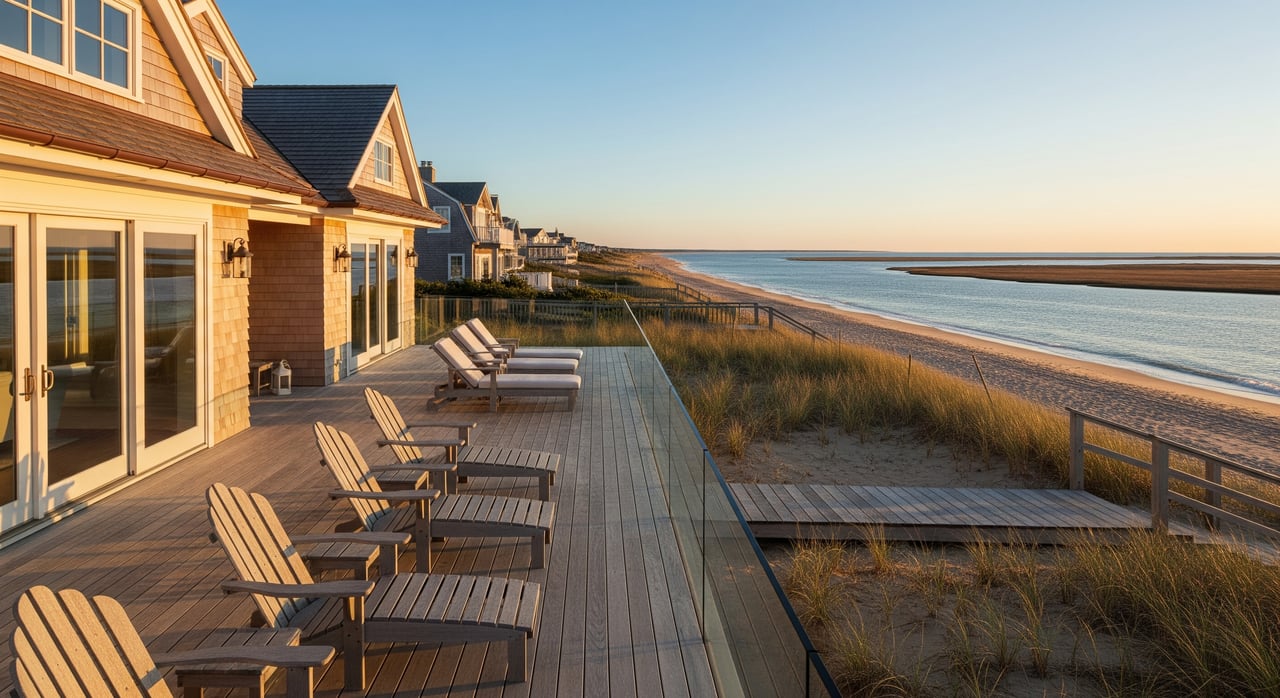
Long Beach Island is a narrow barrier island with the Atlantic Ocean to the east and Barnegat Bay to the west. In Beach Haven and the South End, oceanfront homes face the beach and open surf, often with direct beach access and wide sunrise views. Bayfront homes face Barnegat Bay, channels, or marinas, often with private docks, slips, or access to community marinas and sunset views.
Both settings deliver classic shore living. The right choice depends on how you plan to spend your time, what you want to maintain, and how you plan to use the property.
Oceanfront lifestyle: what you gain
Direct beach access. If your perfect day starts with a beach walk, swim, or surf session, oceanfront makes it effortless. You can step onto the sand in minutes and enjoy sunrise light and wide Atlantic views.
Walkability to shore amenities. Many oceanfront blocks in Beach Haven connect easily to public beaches and seasonal spots. This can also support rental appeal for guests who prioritize beach days.
High summer demand. Oceanfronts typically attract a broad set of vacation renters. Families and beach-focused visitors often pay a premium for proximity to sand and surf.
Oceanfront tradeoffs to expect
Weather exposure. You will feel more wind, salt spray, and wave energy, especially during off-season storms. Exterior finishes, decking, and systems may need more frequent care.
Insurance and elevation standards. Many oceanfront parcels fall in higher-risk coastal zones, which can affect building requirements and flood insurance costs. You will want early insurance quotes and local code guidance.
Seasonal activity. Oceanfront areas can see more pedestrian and vehicle traffic during peak weeks. If you want absolute quiet, keep this in mind when you choose your block.
Bayfront lifestyle: what you gain
Boating and water access. Bayfront homes often include private docks or slips, plus direct access to Barnegat Bay. You can launch a small cruiser, fish, kayak, or paddleboard right from home.
Sunsets and calmer waters. Evenings on the bay can be calm and social, with scenic sunset views. Sheltered conditions are ideal for small-boat use and paddle sports.
Privacy and a relaxed pace. Depending on the location, the bay side can feel more private on the water side. Community marinas and local yacht clubs often anchor a boating-oriented social scene.
Bayfront tradeoffs to expect
Tidal depth and approach. Shallow water at low tide can limit some boats. Channels, dredging, and slip depth matter, so verify actual conditions for your dock and approach.
Views and maintenance. You trade surf vistas for bay, marsh, or marina views. Bulkheads, docks, and lifts add ongoing maintenance to your plan.
Seasonal water aesthetics. Seasonal algae or marsh growth can affect the look of the water. Location and circulation patterns are worth studying before you buy.
Quick comparison: lifestyle at a glance
- Oceanfront: beach-first, sunrise views, broader rental demand, more storm exposure, higher maintenance on exterior finishes.
- Bayfront: boating-first, sunset views, private dock potential, tidal depth considerations, bulkhead and dock upkeep.
Flood zones, elevation, and insurance
On a barrier island, flood risk and building standards shape long-term costs. Many oceanfront parcels are in FEMA “V” zones with stricter elevation and construction requirements. Bayfront parcels often fall in FEMA “AE” zones or other flood designations. Flood risk and storm surge apply on both sides of the island.
- Pull the parcel’s FEMA flood zone and request any Elevation Certificate. Start with the official FEMA Flood Map Service Center to review a property’s zone and mapping layers.
- Ask your insurance broker for quotes early. Coastal premiums vary by elevation, construction, and underwriting. Learn the basics from FEMA flood insurance guidance.
- Elevated homes on pilings and breakaway walls in lower levels are common where required. These features can influence value, maintenance, and appraisals.
Docks, bulkheads, and coastal permits
If you are buying on the bay, confirm dock rights, slip conveyance, tidal depth, and bulkhead condition. Work in tidal or navigable waters often requires permits from the NJDEP, and sometimes from the U.S. Army Corps of Engineers.
- Review coastal rules and permit pathways through the NJ Department of Environmental Protection coastal permitting.
- For larger shoreline or dredging work, consult the U.S. Army Corps of Engineers for regional guidance.
- Verify whether any marina memberships or slip agreements transfer with the sale and confirm any waitlists.
Maintenance and lifecycle costs to budget
Every waterfront home needs a realistic maintenance plan. The type of waterfront shapes the line items you will see most.
- Oceanfront: more corrosion from wind and salt spray, frequent care for exterior finishes, decking, railings, windows, and HVAC. Post-storm inspections are part of ownership.
- Bayfront: bulkhead and dock maintenance, periodic decking or pile replacement, lift service, and potential marine borer mitigation. Watch for sedimentation that could impact access.
- Both: plan for storm-ready systems, potential special assessments for community shore-protection projects, and a reserve for unexpected repairs.
Market, financing, and resale
Waterfront pricing reflects location, condition, elevation, and utility. Oceanfront homes typically carry a premium for direct beach access and ocean views. Bayfront homes can match or exceed oceanfront pricing in prime spots with deep-water access and quality docks.
- Inventory is seasonal and often tight for premium water locations. The best windows can be short, especially in spring and early summer.
- Lenders and appraisers weigh flood risk, elevation, and water influence. Elevated foundations and breakaway lower levels can influence appraisals and underwriting.
- For market context and local trends, consult the Ocean County Board of REALTORS and statewide insights from New Jersey Realtors.
Short-term rentals and local rules
If you plan to rent, confirm Beach Haven’s short-term rental requirements, licensing, and occupancy limits before you model income. Local rules and seasonal patterns have a direct impact on returns.
- Start with the Beach Haven Borough official site for ordinances, rental guidance, and permit steps.
- Verify historical rental income and approvals for any property you are considering. Do not rely on general averages alone.
Tides, taxes, and practical logistics
Bayfront living comes with tides and currents that shape boating and day-to-day use. Review tide predictions and seasonal patterns for Barnegat Bay to plan confidently.
- Use NOAA tides and currents for the most authoritative local tide information.
- Review Ocean County property tax history for any parcel you are eyeing. Waterfront assessments can be higher. Start with the Ocean County tax assessor for records and questions.
Buyer checklist before you bid
Set yourself up for a smooth negotiation and fewer surprises. Use this short list to drive your due diligence.
- Pull the FEMA flood zone map and request the Elevation Certificate.
- Ask for recent storm history, repairs, and receipts.
- Confirm sewer or septic, system age, and utility connections.
- For bayfronts: verify deeded dock or slip rights, bulkhead ownership and condition, tidal depth at low tide, lift details, and any marina agreements.
- Request current homeowners and flood insurance details and quotes.
- If renting: confirm municipal rental approvals, licensing, and historic occupancy data.
- Order inspections tailored to coastal properties: home, structural review for pilings or bulkheads, dock evaluation, and termite or marine borer checks.
- Obtain a current survey that shows mean high-water line, setbacks, and any easements.
- Build contingencies for flood insurance quotes and dock or bulkhead inspections into your offer.
How to choose your side: a simple framework
Ask yourself three quick questions to focus your search.
What does your ideal day look like? If it centers on sand and surf, oceanfront fits your rhythm. If it includes morning paddleboarding, afternoon cruising, or fishing, bayfront may be your match.
What kind of maintenance do you prefer? Oceanfront focuses on exterior finishes and storm-readiness. Bayfront adds dock, lift, and bulkhead care, plus tidal awareness.
What are your income and resale goals? Oceanfront often draws broader family rental demand. Bayfront attracts repeat boating and sunset-focused guests. Either side can resell well when elevated, well maintained, and close to Beach Haven amenities.
Next steps to get clarity and act
- Get pre-approved with a coastal-experienced lender and request flood and homeowners insurance quotes early.
- Use the municipal and agency links above to review flood zones, coastal permits, and rental rules for any short list.
- Ask for a custom search filtered by waterfront type, elevation features, and dock needs. Include must-haves like slip depth, lift size, and beach access.
When you are ready to compare specific homes and neighborhoods in Beach Haven or the South End, reach out for a calm, local-first plan. Schedule a consultation with Shari L. Rinaldi to map your budget, must-haves, and timing, then tour the best matches on either side of the island.
FAQs
What is the difference between FEMA V and AE zones on LBI?
- V zones indicate higher coastal wave action and usually stricter elevation and construction requirements, while AE zones are floodplains with lower wave energy, and you can verify a parcel’s designation through the FEMA Flood Map Service Center.
How do bayfront tides affect boating in Beach Haven?
- Tidal changes can limit access for deeper-draft boats at low tide, so confirm slip depth, channel approach, and nearby dredging history, and check local tide patterns with NOAA tides and currents.
Are oceanfront homes more expensive to insure in Beach Haven?
- Coastal oceanfront parcels are often in higher-risk zones that can mean higher flood insurance premiums, so request early quotes and review options using FEMA flood insurance guidance.
What permits are needed to repair a dock or bulkhead on LBI?
- Most work in tidal waters requires review or permits from the NJ Department of Environmental Protection coastal permitting and sometimes the U.S. Army Corps of Engineers, so confirm requirements before you bid.
How strong is summer rental demand for oceanfront vs bayfront in Beach Haven?
- Oceanfront generally draws broader beach-focused demand with premium peak-week rates, while bayfront performs well with boating and sunset-oriented guests, and both are shaped by local rules available on the Beach Haven Borough official site.