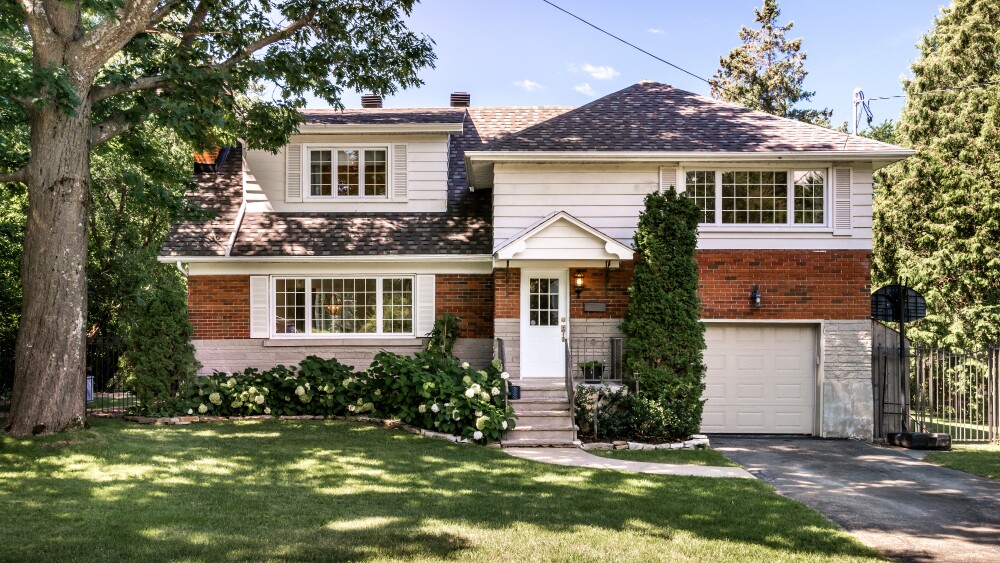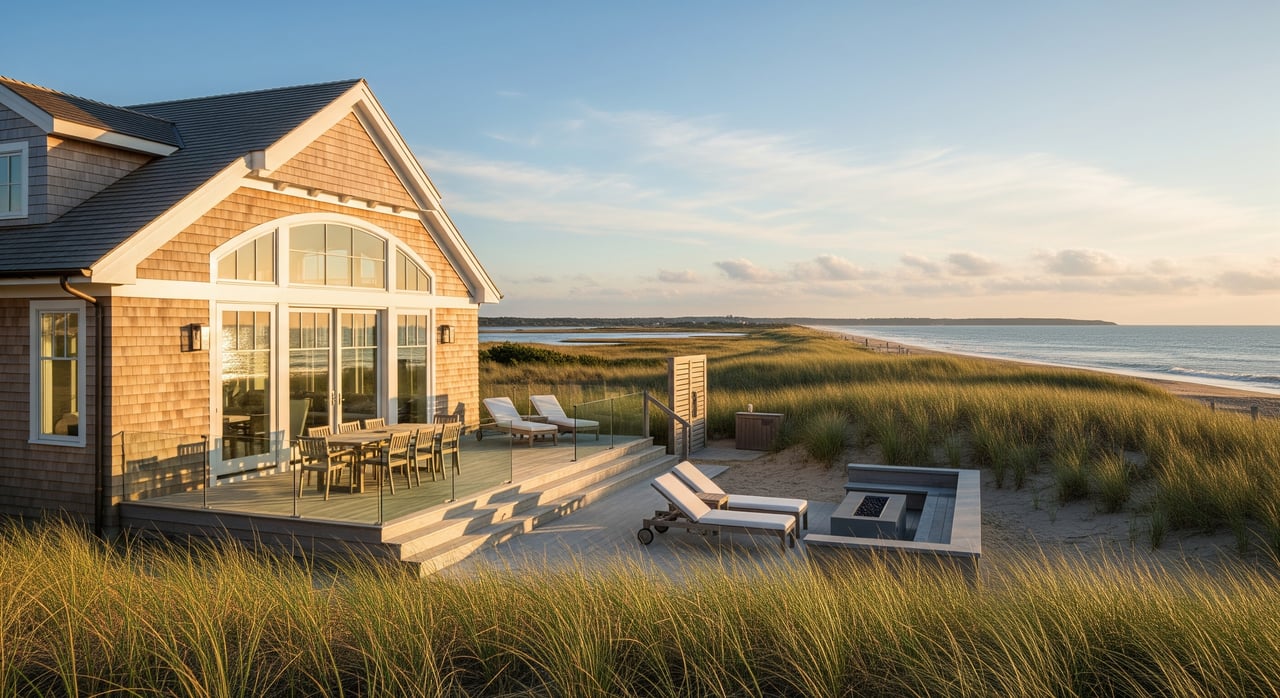
Thinking about buying a mainland home near Long Beach Island for seasonal rental income? You are not alone. Many investors look to Little Egg Harbor and the Manahawkin corridor for a lower buy-in and steady summer demand tied to LBI. This guide gives you a practical framework to evaluate potential, from seasonality and pricing to amenities, costs, and risk. Let’s dive in.
Why Little Egg Harbor works
Little Egg Harbor sits off Route 72, the main gateway to LBI. You tap into week-long summer visitors and day-trippers from the New York City and Philadelphia metro areas, with typical drive times around 1.5 to 2.5 hours depending on traffic. Proximity to the Garden State Parkway and I-195 is a plus for weekend and shoulder season bookings.
Compared with LBI, mainland properties often come with lower purchase prices and taxes. You may trade walk-to-beach access and top-tier nightly rates for bigger lots, easier parking, and broader appeal to budget-minded families. The key is positioning your home as a practical, well-equipped launch pad for LBI beaches, boating, and bay life.
Seasonality and booking windows
Most rental revenue concentrates between Memorial Day and Labor Day. Within that window, July and August weeks carry the strongest demand, with holiday periods booking first. Late spring and early fall bring solid weekend traffic, especially for fishing and quieter family trips. Late fall through winter is slower, with a few holiday weekends and value-driven stays.
Peak summer weeks often book months in advance. Established, highly reviewed homes can see bookings 6 to 18 months out for prime July and August dates. General summer weeks often book 3 to 9 months ahead. Shoulder-season weekends skew to 0 to 12 weeks out, with more last-minute activity as the season winds down.
Peak weeks to prioritize
- Memorial Day weekend
- Fourth of July week
- Prime July and August weeks
- Labor Day weekend
- Local festivals and fishing tournaments when scheduled
During these periods, many owners set a 7-night minimum and Saturday-to-Saturday turnovers. Premium weeks commonly command higher nightly rates than the monthly average, so you should plan pricing and minimums with discipline.
Property features guests expect
Today’s shore guest has clear baseline expectations. Homes that miss on the basics see lower conversion and more complaints. Focus on these must-haves:
- Air conditioning that keeps the home cool in peak heat
- Reliable high-speed Wi-Fi and streaming-capable TVs
- A clean, fully equipped kitchen with modern appliances
- Washer and dryer, plus a steady hot water supply
- Outdoor living that includes a deck or patio, grill, seating, and an outdoor shower
- Dedicated off-street parking, ideally one space per bedroom
- Starter beach gear, board games, and clear local guides
- Safety essentials like smoke and CO detectors and storm information
Amenities that earn a premium
- Short walk or shuttle access to a beach or private beach rights
- Pool or hot tub, private or community
- Waterfront, bay, or lagoon frontage with boat dock access
- Pet-friendly setup with an enclosed yard and clear rules
- Newer renovations and efficient HVAC or insulation upgrades
- Space for boat or trailer parking and secure gear storage
Mainland positioning tips
- Lead with clear drive time to LBI beaches and nearest public access
- Highlight parking, yard space, and value versus island rates
- Promote fishing, boating, and launch ramps for anglers and boaters
- Set up accurate directions, smart locks, and a simple check-in guide
Cost, regulation, and risk
Your cost model should include management fees if you outsource, cleaning and laundry per turnover, utilities, lawn care and maintenance, insurance, taxes, and platform fees. Build in vacancy and a reserve for big-ticket items like roof and HVAC. Cleaning capacity on Saturdays matters in summer, so confirm reliable teams.
Check municipal rules before you buy. Short-term rentals can require registration, licensing, and safety inspections. There may be occupancy caps, quiet hours, or parking rules. Condos and HOAs sometimes limit or prohibit short-term rentals. For any improvements near wetlands or coastal areas, expect FEMA and state coastal reviews.
Short-term rentals are typically subject to state sales and possible occupancy taxes. You need to register and remit to the proper authorities. Keep clean records for income taxes, and discuss depreciation and owner-use rules with a CPA.
Insurance is a core input. Shore-area homes often sit in FEMA flood zones and may require flood policies. Wind and named-storm coverage can raise premiums. Many owners add liability or umbrella coverage beyond platform protections. Mitigation steps like elevating utilities, shutters, or a generator can help resilience.
Risks include weather-driven cancellations, storm damage, rising insurance costs, and changing local rules. Model these risks in your underwriting and consider how quickly you can recover after a major event.
Metrics that predict performance
Focus your analysis on real data for the Little Egg Harbor and LBI area. Pull 12 to 36 months where possible. Key metrics include:
- Occupancy by month and a clear seasonal curve
- ADR by month and ADR lift for peak holiday weeks
- RevPAR overall and by month
- Length of stay by season, including share of 7-night stays
- Booking lead time by month and property tier
- Cancellation rates by policy type
- Expense breakdown for cleaning, utilities, management, insurance, and taxes
- Net operating income, cap rate, and cash-on-cash returns
- Sensitivity tests for a 10 to 20 percent occupancy decline or higher insurance
Use neighborhood-level short-term rental data tools, listing platform analytics, and local management benchmarks to cross-check assumptions. Compare your target against 6 to 12 comps both on the mainland and on LBI to understand price positioning.
Step-by-step underwriting checklist
Define your comp set. Select 6 to 12 short-term rentals within 10 to 20 minutes of the property, including relevant LBI comps.
Pull seasonal data. Gather occupancy, ADR, and RevPAR by month, plus specific metrics for Memorial Day, Fourth of July, and Labor Day weeks.
Confirm regulations. Check township rules for licensing, inspections, parking, quiet hours, and HOA restrictions if applicable.
Map flood and insurance. Identify flood zone and base flood elevation. Get quotes for flood, wind, and liability coverage.
Build a conservative revenue model. Use monthly occupancy and ADR from comps. Reflect minimum stays and expected booking windows.
Itemize operating costs. Include management, cleaning, utilities, taxes, maintenance, marketing fees, and reserves.
Run returns. Calculate NOI, cap rate, and cash-on-cash under base and downside cases. Test a multi-week outage scenario.
Vet operations. Confirm cleaner availability for Saturday turns, linen services, local maintenance, and keyless entry.
Plan marketing. Tailor listings to NYC and Philadelphia families with professional photos and a title that highlights drive time to LBI, parking, and pet policy.
Marketing and operations playbook
Channel strategy matters. Vrbo often captures early planners and family weeklong stays. Airbnb can bring last-minute urban spillover. Local vacation rental managers add on-the-ground support at a cost, and direct bookings can reduce commission if you invest in a simple site and payment tools.
Set your turnover plan before peak season. Standardize cleaning checklists, linens, and inventory. Smart locks support smooth self-check-in and reduce labor. A clear house manual with beach access, boat ramps, grocery, and emergency info boosts guest reviews.
Presentation drives conversions. Invest in professional photography and accurate floor plans. Use short, clear listing titles like “Manahawkin home, 10 minutes to LBI beaches, fenced yard, sleeps 10.” Spell out pet rules and fees to reduce friction.
Example scenarios to model
Base case. Prime weeks hit target ADR with 7-night minimums. Shoulders fill weekends at moderate rates. Insurance and utility costs are stable.
Downside case. A late-summer storm causes cancellations and a two-week outage. Insurance premiums rise at renewal. Occupancy dips 10 to 20 percent in shoulder months.
Upside case. A recent renovation and pet-friendly policy plus a hot tub lift ADR and reviews, expanding shoulder-season demand.
Final take
Little Egg Harbor and the Manahawkin corridor can deliver strong seasonal performance with a lower acquisition cost than LBI. Success comes from clear positioning, solid operations, and a data-first pricing plan anchored to peak weeks. If you underwrite conservatively and plan for storms, you can capture the summer surge while building a resilient asset.
Ready to explore properties and run the numbers together? Connect with Shari L. Rinaldi for a local, data-driven consultation tailored to your goals.
FAQs
What makes Little Egg Harbor attractive for seasonal rentals?
- It offers lower purchase costs than LBI, easy access via Route 72, and strong summer demand from NYC and Philadelphia visitors.
How far in advance do peak summer weeks book near LBI?
- Prime July and August weeks often secure bookings 3 to 9 months out, and top homes can see 6 to 18 months of lead time.
What minimum stay works best during peak season near LBI?
- Many owners require 7-night Saturday-to-Saturday stays in summer to maximize occupancy and simplify turnovers.
Which amenities boost nightly rates for mainland homes?
- Pools or hot tubs, pet-friendly setups, waterfront or dock access, updated interiors, and beach or shuttle access can command a premium.
What costs do I need to include in my rental pro forma for Little Egg Harbor?
- Management fees, cleaning, utilities, maintenance, insurance, property taxes, marketing and platform fees, and a reserve for repairs and vacancy.
What risks should I plan for with shore-area rentals?
- Storm-related disruptions, rising insurance costs, and changes to local short-term rental rules can affect revenue and expenses.