Dreaming about a low-maintenance beach place on Long Beach Island? On the North End, buying a condo or townhome can be a smart way to enjoy coastal living without taking on every task that comes with a detached house. The key is knowing that these properties often live more like full-size shore homes than simple starter condos. This guide will help you understand what to look for, what questions to ask, and how to buy with confidence. Let’s dive in.
What Counts as North End LBI?
When buyers talk about the North End of LBI, they are usually looking at Barnegat Light, Harvey Cedars, and the north-end sections of Long Beach Township such as Loveladies, High Bar Harbor, and North Beach. Some local search tools also group Surf City into that North End area.
That matters because the 08008 ZIP code spans more than one municipality. Two homes with a similar mailing address may fall under different local rules, zoning requirements, and resale procedures. If you are comparing properties, you need to know exactly which town governs the unit.
North End Condos and Townhomes Often Feel Like Shore Houses
If you picture a small, one-level condo, the North End may surprise you. Attached homes here are often multi-level coastal properties with features that feel much closer to a detached beach house.
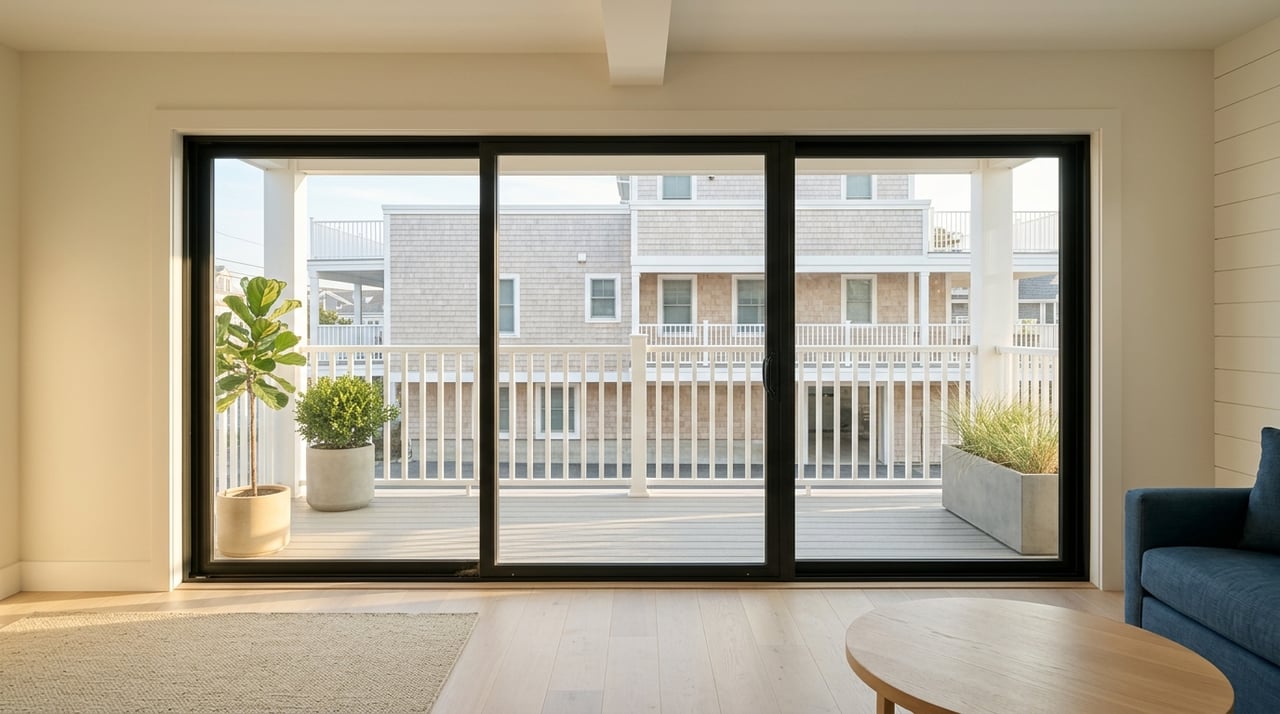
Recent examples in the area include layouts with 3 or 4 bedrooms, multiple decks, rooftop spaces, garages, bay views, offices, and even elevators or dumbwaiters. In other words, a condo or townhome on the North End may still offer generous square footage and a strong lifestyle fit for second-home buyers or downsizers.
That also means you should not assume an attached home will be entry-level pricing. Many North End condos and townhomes are premium coastal properties, and their price points can reflect that.
Why the Ownership Structure Matters
On North End LBI, the listing label does not always tell the full story. A property may be marketed as a condo, townhouse condo, rowhome, free-standing condo, or part of a named condominium community.
For you as a buyer, the real issue is not the headline. It is the deeded ownership structure and what authority the association actually has. Before you move forward, confirm what you own, what is shared, and what rules apply.
Ask These Ownership Questions Early
- Is the property legally a condominium, townhome, or another common-interest ownership type?
- What parts of the property are yours alone, and what parts are common elements?
- Is exterior maintenance handled by the association?
- Are decks, roofs, railings, parking areas, or garages your responsibility or shared responsibility?
- Are there rules about rentals, pets, parking, or exterior changes?
These details shape your monthly costs, your maintenance obligations, and your freedom to make updates later.
The Lifestyle Tradeoff: Less Maintenance, More Shared Rules
A condo or townhome can work well if you want a smaller footprint and a more lock-and-leave setup. That can be especially appealing if you plan to use the home seasonally or want less exterior work than a single-family property usually requires.
A detached home often gives you more privacy and more control over the lot. At the same time, it usually places more upkeep, repair planning, and storm preparation directly on you. On the North End, the better choice usually comes down to how often you will use the property, how much maintenance you want to manage, and how comfortable you are with association oversight.
Association Diligence Is a Big Part of the Purchase
If you are buying into an association, your review should go beyond finishes and floor plans. New Jersey regulates condominiums and similar common-interest communities, and planned real estate associations are required to complete and fund a capital reserve study with a 30-year funding plan.
That makes the association’s financial health one of the most important parts of your due diligence. A beautiful unit can still come with future costs if reserves are thin or major repairs are coming.
Documents to Review Before You Buy
Ask for these items as early as possible:
- Current budget
- Reserve information
- Recent meeting minutes
- Insurance summary
- Rules for pets
- Rules for rentals
- Parking policies
- History of dues increases
- History of special assessments
- Information on major completed or planned capital work
You also have rights in New Jersey related to access to association records, public meetings, and alternate dispute resolution. Those protections are helpful, but they do not replace careful document review before you buy.
Renovation Plans Need Two Levels of Approval
Many North End buyers want to personalize a property after closing. If that is your plan, remember that association approval and municipal approval are separate issues.
For example, Surf City notes that zoning permits apply to improvements such as additions, fences, decks, and pools. Long Beach Township also requires building permits for most construction, and its resale certificate process involves specific application materials.
If you are thinking about changing a deck, updating exterior elements, or making structural improvements, confirm both of these points:
- What the association allows
- What the municipality requires
That simple step can save you time, money, and closing frustration.
Flood Risk Should Be Part of Your Budget
On the North End, flood risk is not a side note. It is central to the buying decision because these communities are on a barrier island.
Surf City states that the borough is in the 100-year floodplain and entirely within a FEMA Special Flood Hazard Area. Barnegat Light also states that the municipality is entirely in the 100-year floodplain and Special Flood Hazard Area. Harvey Cedars explains that Long Beach Island slopes from higher ocean-side dunes to lower bayside elevations and is vulnerable to flooding from hurricanes, tropical storms, and nor’easters.
That means you should treat flood exposure as a routine part of due diligence, even when a property looks similar to another one nearby.
What Flood Insurance Means for Buyers
Flood insurance is usually separate from homeowners insurance. FEMA’s National Flood Insurance Program states that most homeowners and renters insurance does not cover flood damage, and flood coverage often has a 30-day waiting period unless a listed exception applies.
Premiums can also vary based on where the property is built, how it is built, and replacement cost. For you, that means two units with similar views and similar asking prices may still have different true monthly ownership costs.
New Jersey Flood Disclosures Add Useful Clarity
Beginning March 20, 2024, New Jersey requires sellers to disclose specific flood-risk information before a buyer becomes obligated under a purchase contract. That includes whether the property is in a FEMA Special Flood Hazard Area or Moderate Flood Hazard Area, along with any actual knowledge of flood risk.
For North End condo and townhome buyers, this makes flood-zone confirmation and elevation review even more important. It also gives you better information earlier in the process.
Closing Can Take More Paperwork Than You Expect
Many beach buyers expect financing to be the hardest part of the transaction. On the North End, document readiness can be just as important.
Barnegat Light requires a new certificate of zoning occupancy before transfer of title or change in occupancy, and the application may require a current survey and elevation certification. Surf City resale materials call for a flood elevation certificate and survey. Long Beach Township’s resale checklist can include a current survey, flood elevation certificate, condo certification where applicable, deed restriction recording, water-meter activation, and permit close-outs.
Build Extra Time Into Your Timeline
Before you lock in your contract expectations, try to confirm:
- Whether the seller has a current survey
- Whether a flood elevation certificate is available
- Whether permits were properly closed out
- Whether the association has any certifications or documents the town may require
- Whether local resale or occupancy paperwork has already been started
On the North End, delays often come from compliance details, not just the mortgage process.
Beach Access Is Part of Everyday Ownership
One reason buyers choose the North End is the beach-centered lifestyle. Barnegat Light highlights access to spacious beaches, surf fishing, bay fishing, crabbing, and Barnegat Lighthouse State Park. Harvey Cedars offers beach access programs and an accessible beach orientation, including beach wheelchairs and UTV transport for people with physical limitations.
That quality-of-life factor is real, but so is the day-to-day cost. Barnegat Light requires beach badges on all beaches for patrons age 12 and older, and Harvey Cedars requires badges beginning June 15 for patrons age 12 and older. If you are buying a seasonal property, these details affect how you plan and use the home.
How to Decide if a North End Condo or Townhome Fits You
The right choice usually comes down to how you want to live on LBI. If you want beach access, less exterior maintenance, and a home that may be easier to use as a seasonal base, an attached property can be a strong match.
If you want maximum control, more private outdoor space, and fewer association rules, a single-family home may fit better. On the North End, the smartest move is to compare total ownership structure, flood exposure, municipal requirements, and carrying costs, not just the list price.
Buying on LBI is rarely about choosing the label that sounds best. It is about choosing the property that fits your lifestyle, your budget, and your comfort level with maintenance and shared rules. If you want help sorting through the details of North End inventory, local resale requirements, and condo versus single-family tradeoffs, Shari L. Rinald can help you make a confident, informed decision.
FAQs
What is considered North End LBI when buying a condo or townhome?
- Buyers usually mean Barnegat Light, Harvey Cedars, and the north-end sections of Long Beach Township such as Loveladies, High Bar Harbor, and North Beach, and some local searches also include Surf City.
Are North End LBI condos usually small units?
- Not necessarily. Many attached homes on the North End are multi-level properties with decks, garages, bay views, and larger layouts that feel more like shore houses.
What should buyers review in a North End condo association?
- Buyers should review the budget, reserve information, meeting minutes, insurance summary, rental and pet rules, parking policies, and any history of special assessments or major repairs.
Do North End LBI condo buyers need to pay attention to flood risk?
- Yes. North End communities are in flood-prone coastal areas, so flood-zone status, elevation details, and flood insurance costs should be part of your affordability review.
Can buying a condo or townhome on North End LBI involve extra closing paperwork?
- Yes. Depending on the municipality, closing may require items such as a survey, flood elevation certificate, zoning or resale certificates, permit close-outs, and condo-related documentation.